
Sixty-one years ago, the Indian Air Force hosted its first multinational air force exercise. That wargame, involving the air forces of the USA, UK and Australia, was born from the painful aftermath of the 1962 India-China War and a determination to be better prepared for any future conflict.
In 2024, the IAF is preparing to host air arms from around the globe again. However, this time, it does so from a position of strength and confidence as one of the pre-eminent air powers in the region that has forged strong international ties. As the first phase of Exercise ‘Tarang Shakti’ kicks off in Sulur, we explore the history of the IAF’s earliest such endeavour and look at its 21st-century avatar.
Exercise Shiksha: The First Multinational Air Defence Drill in India
In November 1963, the skies over India became the stage for a unique multinational air defence exercise. Codenamed ‘Shiksha’ (Sanskrit for ‘learning’), this drill brought together the air forces of India, the United States, the United Kingdom, and Australia in an unprecedented collaboration. Shiksha was India’s response to the sobering lessons of the 1962 Sino-Indian War, during which the IAF played only a peripheral role due to inadequate radar coverage, poor communications in remote areas, and limited experience in mountain warfare.
In the aftermath of the conflict, India found itself geopolitically vulnerable, necessitating swift and substantial upgrades to its air defence systems. The United States, keen on bolstering Indian defences yet mindful of Cold War sensitivities, proposed a multinational collaboration spearheaded by the UK, with support from other Commonwealth nations and American advisors.
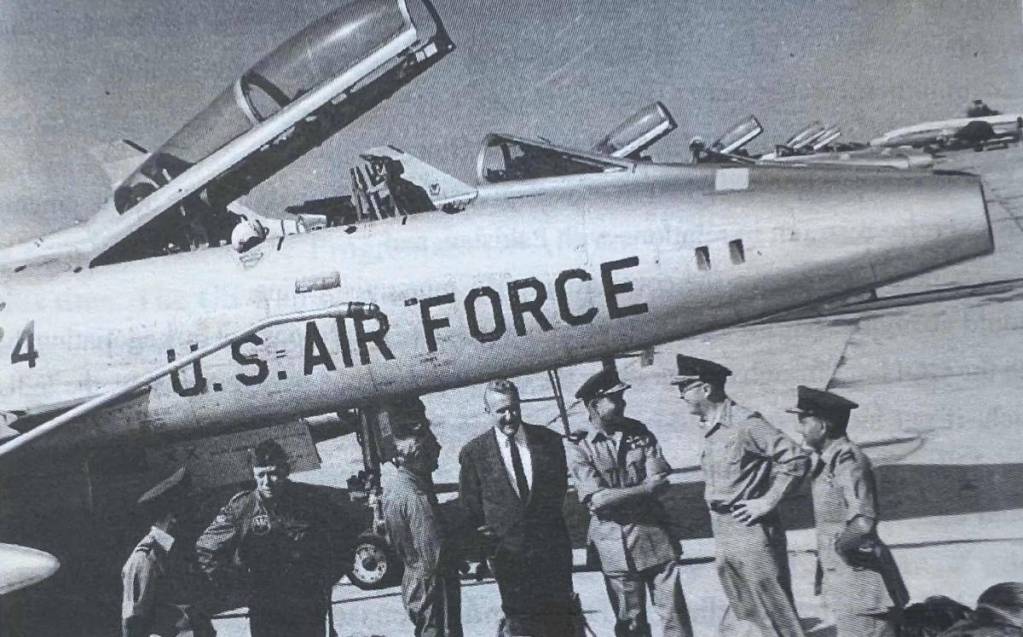
The Players, Their Aircraft and The Layout
Exercise Shiksha brought together a diverse and impressive array of nearly 150 aircraft, showcasing the leading edge of 1960s military aviation technology. The Indian Air Force proudly displayed its inventory, which included the versatile Hawker Hunter Mk 56 fighters, the night-fighting capable De Havilland Vampire, the nimble Folland Gnat, and the powerful Canberra B(I).58 bombers.
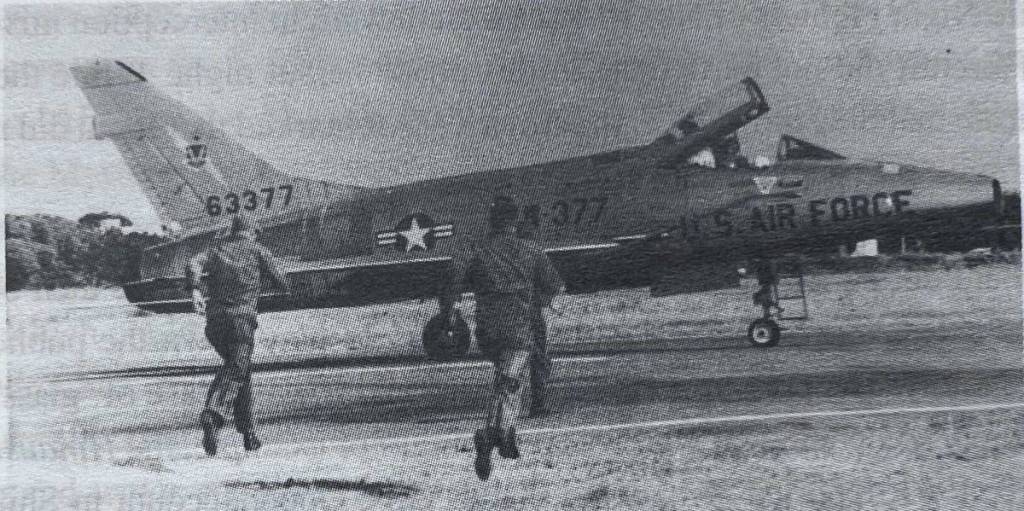
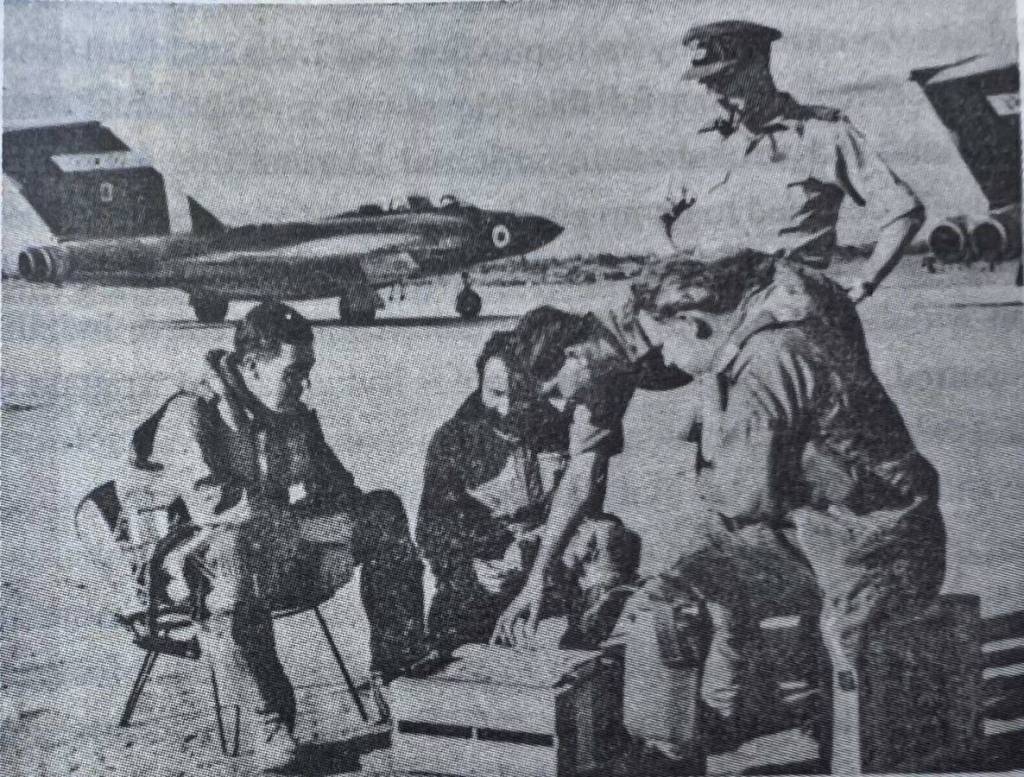
The Royal Air Force contributed its all-weather interceptor, the Gloster Javelin FAW.9R, bringing advanced radar capabilities to the exercise. The United States Air Force deployed the supersonic North American F-100 Super Sabre, a fighter that had proven its mettle in the skies over Vietnam. Completing the international contingent, the Royal Australian Air Force brought additional Canberra B.20 bombers, adding depth to the “aggressor” force.
Shiksha’s ambitious scope necessitated a two-sector approach. The Western Sector, centred around the hubs of Delhi and Agra, fell under the command of Air Vice Marshal Eric W. Pinto. To the east, Air Vice Marshal Shiv Dev Singh oversaw operations from Kalaikunda, near Calcutta. Providing overall leadership was the legendary Air Vice Marshal Arjan Singh, then Vice Chief of the IAF.
The exercise saw a carefully choreographed deployment of forces. The RAF’s No. 64 Squadron was the first to arrive with its 12 Gloster Javelins. They touched down at Kalaikunda on October 28, 1963, after an epic journey from RAF Binbrook, with stopovers in Cyprus and Bahrain. This long-range deployment was made possible by the support of Vickers Valiant tanker aircraft.
The USAF made a striking entrance on November 6 at Palam near Delhi, with the 356th Tactical Fighter Squadron bringing 18 F-100 Super Sabres—15 single-seaters and three two-seaters—after a transcontinental odyssey from Myrtle Beach AFB in South Carolina via stops in Spain and Saudi Arabia. Simultaneously, two RAAF Canberra bombers from RAAF Butterworth in Malaysia completed their arrival at Agra, marking the whole assembly of international forces.
The IAF’s commitment was equally formidable. In the Western Sector, Gnats from No. 2 Squadron and Vampire night fighters from No. 10 Squadron joined Hunters from No. 20 Squadron at Palam. Additional Hunter strength came from No. 7 Squadron based at nearby Ambala. The Eastern Sector saw the Hunters of No. 14 Squadron take up position at Kalaikunda. Meanwhile, Canberras operating out of Agra from No. 5, 16, and 35 Squadrons were tasked with attacking forces. Nearly 40% of the IAF combat fleet was mobilised for the exercise.
With all the pieces in place, Shiksha officially commenced on November 9 in the eastern sector, followed by the western sector on November 14. The exercise posed a formidable challenge: RAAF and IAF Canberras would act as an attacking force, while the assembled fighters – Javelins, Super Sabres, Hunters, and Gnats – would attempt to intercept them. This scenario would test individual aircraft capabilities and the critical elements of coordination, communication, and integrated air defence that India sought to develop.
Semi Automatic Air Defence Network
The backbone of Exercise Shiksha was a sophisticated air defence network anchored by two state-of-the-art American-made portable radar systems that arrived in India in August 1963. These advanced units, comprising the MPS-11 for surveillance and the MPS-13 for height finding, were strategically positioned to cover Indian airspace. The No. 311 SU unit was deployed in Patiala, Punjab, while its counterpart, No. 411 SU, was stationed in Rampurhat, west of Calcutta.
These radar systems were marvels of 1960s technology, capable of detecting aircraft at ranges up to 200 nautical miles and altitudes of 60,000 feet. Their precision allowed height determination within an impressive elevation range of -2 to +32 degrees. To ensure seamless integration and operation, American technicians oversaw the installation process and conducted comprehensive training for Indian personnel.
A well-organised structure supported this network. No. 311 SU operated as a Sector Operations Centre (SOC) under the leadership of Wing Commander KT Abraham, with GCI stations at No. 11 and 16 SUs located at Najafgarh (Delhi) and Ambala, which operated WWII vintage Marconi Type 13, 14 & 15 radars. In the Eastern sector, the radar network was led by Squadron Leader AA D’Costa at No. 20 SU in Barrackpore, which also served as a SOC. This setup was reinforced by No. 55 SU at Kalaikunda and No. 411 SU at Rampurhat, functioning as vital Ground-Controlled Interception (GCI) stations.
It’s worth noting that the significance of these US radar units extended far beyond Exercise Shiksha. They continued to play crucial roles in India’s air defence network for years, including during subsequent conflicts with Pakistan. The static versions of these radars, forming the Star Sapphire system, protected Indian skies from 1965 to nearly 1990, underscoring their enduring legacy in Indian air defence.
Sector Wise Operations
The Eastern Sector, centred on Kalaikunda Air Force Station, saw a unique blend of RAF Gloster Javelins operating alongside IAF Hunter Mk 56s from No. 14 Squadron. The initial phase focused on familiarisation flights and practice interceptions, allowing crews to acclimate to the joint operating environment. A particularly intriguing aspect of operations at Kalaikunda was the ingenious alert system employed on the Operational Readiness Platform (ORP). Crews were notified of scramble orders via numbered wooden boards hoisted by ropes – a low-tech yet effective method that worked flawlessly until the jet wash from starting engines began to wreak havoc on the system!

The primary strategy in this sector was to employ scramble interceptions instead of continuous Combat Air Patrols (CAP). This approach required aircraft to launch quickly in response to radar alerts, mirroring real-life scenarios where reaction times are crucial. The RAF Javelins, guided by GCI radar inputs, excelled in this setup, notably intercepting eight IAF Canberras during just three sorties, highlighting the potency of the integrated air defence network.
Western sector operations pivoted around the critical task of defending New Delhi. This sector saw intense coordination between USAF F-100 Super Sabres based at Palam and IAF assets, including Hunters from No. 7 Squadron and Gnats from No. 2 Squadron operating out of nearby Ambala. Their primary mission was to intercept incoming “enemy” aircraft before they got within 100 miles of the capital.

The Super Sabres began participating in Shiksha on November 14, with Captains Jay L. Holly and Leigh M. Holt flying the squadron’s inaugural intercept mission. Their targets were IAF Canberra B(I).58s from No. 5 Squadron, simulating an attack force approaching from their base in Agra.
The Australian Canberra B.20s at Agra played a crucial role in the “attacking” force. They began with familiarisation flights over the local area before commencing operations on November 9 with a high-level attack on Calcutta. Over the following days, they conducted multiple sorties, alternating between attacks on Calcutta and Delhi. Flying Officer Peter Jones recalled flying five air defence exercises between November 13 and 19, with missions lasting between 1 hour 35 minutes and 3 hours 40 minutes.

The Vampire NF54 of No. 10 Squadron, IAF, were the only aircraft to undertake night interception missions. The squadron diary noted, “On the first night we took part in the exercise, we got no kills. The Canberras were more cooperative on the second night, and we achieved 100% kills.” However, the Americans were not particularly impressed with the IAF’s night fighting capabilities. The NF54s were nearing the end of their operational life and were decommissioned a few months later.
Interception Tactics
The diverse array of aircraft participating in Exercise Shiksha revealed intriguing tactical disparities, particularly in interception methodologies. The American F-100 Super Sabres, armed with cutting-edge Sidewinder air-to-air missiles, employed vastly different engagement tactics than the cannon-equipped IAF Hunters and Gnats. This technological gap led to some unexpected challenges and controversies.
Exercise protocols mandated photographic evidence from gun cameras to validate a successful “kill.” This requirement inadvertently placed the missile-armed F-100s at a perceived disadvantage. USAF pilot Wayne Gosnell explained their predicament: “We typically broke off intercepts two to three miles out as soon as we achieved Sidewinder lock-on. Closing further offered no tactical advantage – we certainly weren’t going to engage in close-range dogfights with Canberras!”

This discrepancy in engagement ranges sparked debate, with some Indian sources later suggesting that American pilots had failed to score any successful intercepts. However, such interpretations could not account for the fundamentally different operating parameters of missile-armed fighters, highlighting the need for nuanced evaluation criteria in multinational exercises.
Tactical Challenges, Cross-Training and Cultural Exchange
Beyond tactical considerations, pilots grappled with environmental challenges. The ever-present risk of bird strikes, particularly acute at low altitudes, necessitated careful mission planning. As a result, many sorties were conducted at medium to high altitudes, balancing tactical realism with safety concerns.
The exercise also cast a spotlight on areas for improvement within India’s air defence infrastructure. Brig Gen Gordon M. Graham, Vice-Commander of the US Nineteenth Air Force, noted a shortage of experienced fighter controllers in the Indian ranks. However, this assessment wasn’t universally applicable – controllers like AW “Charlie” Puranik garnered high praise from British pilots for their exceptional skills. Gp Capt ML Bountra who was a young fighter controller during Shiksha recollects – “One of the Javelin pilots remarked that he had carried out some of his career best PIs when guided by Indian fighter controllers”
A memorable incident outside the formal exercise framework underscored the IAF’s growing confidence. During an impromptu visit to Ambala, AVM Pinto invited Brig Gen Graham to test the base’s readiness. Without warning, Graham ordered a scramble of one of the three squadrons on alert. The IAF pilots responded enthusiastically, taking to the skies in record time.

While the serious business of air defence took centre stage, Exercise Shiksha fostered invaluable cross-cultural exchange and mutual learning opportunities. Many IAF pilots experienced the thrill of supersonic flight for the first time, courtesy of rides in the Americans’ two-seat F-100Fs. Reciprocating the gesture, USAF pilots were treated to flights in India’s Hunter T.66 trainers, gaining an appreciation for their allies’ aircraft.
The exercise schedule also allowed cultural excursions, including visits to iconic sites like the Taj Mahal in Agra. For the RAF Javelin crews based at Kalaikunda, this entailed a memorable—if somewhat uncomfortable—flight to Palam aboard a spartan Dakota transport, retrofitted for supply drops with only rudimentary seating along the fuselage.

Incidents and Aerobatics Face-off
While Exercise Shiksha proceeded with remarkable safety overall, it wasn’t entirely incident-free. Two notable episodes involved RAF Javelins at Kalaikunda. In one case, an aircraft overshot during a night takeoff, resulting in a crash, though fortunately without injury to the crew. Another Javelin entered a spin during a cine exercise phase, prompting the navigator to prepare for ejection – a crisis narrowly averted as the aircraft recovered control at the last moment.

The exercise concluded with an impromptu display of aerial prowess that perfectly encapsulated the spirit of friendly competition and mutual respect fostered during Shiksha. Following a polished aerobatic demonstration by two F-100s – flown by former USAF Thunderbirds – over Ambala, Brig. Gen. Graham couldn’t resist a bit of good-natured boasting. The IAF, however, was quick to respond.
Led by the ambidextrous Flying Officer “Dyce” Dhiman – equally adept at sketching manoeuvres with either hand and capable of flying any position in formation – six Hunter jets from the renowned “Battleaxes” squadron took to the skies. They executed a flawless routine of precision formation aerobatics, culminating in a spectacular six-aircraft landing in two perfect “VIC” formations. The American general’s reaction spoke volumes: “You guys must have been laughing at us!” he exclaimed, his admiration evident.
Conclusion of the Exercise
Exercise Shiksha concluded on November 19, 1963. As the foreign contingents prepared to depart, global events overshadowed the exercise. On November 22, the 356th Tactical Fighter Squadron (TFS), en route back to the United States, received the tragic news of President Kennedy’s assassination during a stopover in Saudi Arabia.
Initially envisioned as the inaugural event in a recurring series of exercises, geopolitical shifts and evolving priorities prevented Shiksha from becoming an annual event. The USAF summarised the exercise, describing the Indian Air Force as “eager and enthusiastic” yet hampered by “negligible air defence infrastructure capabilities.” Despite its one-time occurrence, Shiksha was a trailblazer in multinational military cooperation, setting the stage for future complex, large-scale international exercises. It highlighted the potential benefits and the challenges inherent in coordinating air forces equipped with varying technology, tactics, and strategic goals.
The exercise received extensive coverage in the media of the participating countries, though India attempted to minimise publicity to avoid politicising the event. Media perspectives varied significantly—the Hindustan Times reported, “Attacking planes give a good account in Shiksha.” At the same time, the New York Times offered a more critical view, saying, “India’s air defence fails in the first drill.”
In a lighter vein, one of the more lasting impacts of the exercise for Indian Air Force officers was the establishment of the “Shiksha Camp” at Kalaikunda to house the visiting crews. Shiksha Camp continued to be used for decades and remains integral to the “down the memory lane” recollections of veterans who transited through Kalaikunda.

In retrospect, Exercise Shiksha is a fascinating snapshot of a pivotal moment in Cold War geopolitics. It showed a newly independent and non-aligned India seeking to strengthen its defences with help from both Western powers and the Soviet Union. It captures the state of military aviation technology in transition, with older cannon-armed fighters operating alongside the new generation of supersonic, missile-equipped jets.
Perhaps most importantly, Shiksha demonstrated the value of international cooperation in addressing shared security challenges. Despite the occasional misunderstandings and differing perspectives, the exercise brought together airmen from four nations in a spirit of mutual learning and support. That may be Exercise Shiksha’s most enduring lesson in our increasingly interconnected world.

Tarang Shakti 2024
‘Tarang Shakti’ literally translates to ‘the strength of a wave’, the wave representing the electromagnetic spectrum central to modern warfare and certainly to air power. It also reflects the combined force derived from cooperation and interoperability. All of which is to say that today’s IAF has not lost sight of the lessons of Ex Shiksha sixty years ago and can now leverage the capabilities and capacities it has built over the intervening decades.
Why after 60 years..
Let’s start with why the IAF did not host anything similar to Exercise Shiksha for 60 long years. President John F. Kennedy, whose support of India against China was one of the reasons Shiksha even took place, was assassinated in November 1963. With the Chinese withdrawal Prime Minister Nehru’s abrupt tilt westward evaporated, and India resumed its non-aligned foreign policy. The induction of Soviet military hardware through the 1960s was also viewed with great suspicion by the collective West. The Soviets did not have the geopolitical heft to replicate the scale of Shiksha. Thus, the complicated politics of the Cold War and India’s diplomatic positions led to a situation where there was no chance of bringing multiple air forces of any global bloc together in Indian skies.

Today, times have changed, and how! India’s economy and diplomacy have transformed; it is now vital to the international order. Still courted by great powers and power blocs, New Delhi can engage more deftly with the world and much more on its terms than before.
For its part, the IAF has participated in over 91 international air exercises in the 21st century. Recent years have seen a marked uptick in the complexity of these exercises, such as Cobra Warrior (UK, multinational), Iniochos (Greece, multinational), and Red Flag Alaska (USA, multinational). With a wealth of knowledge and experience gained from operating worldwide, the Air Force is keen to move to the next level by hosting its exercise.

The ‘why’ of the exercise turns on two factors. First, the IAF has spent decades building professional relationships with the leading air arms of the world and is now in a position to invite and host them on home turf. Second, hosting a complex multinational exercise generates the most significant value. Deploying abroad is undoubtedly incredibly useful and hones a set of planning and operational skills that can only be exercised when operating far afield. Still, there are IAF and host country limitations regarding the platforms and personnel that can be accommodated on such detachments. On home ground, though, there are virtually no restrictions — the IAF will be able to expose nearly all its platforms and personnel concurrently to the broadest array of operational scenarios imaginable. By hosting the exercise, the IAF will be better placed to share more of its best and brightest with the visiting air arms, making this a win-win for all involved.
What will it entail?
Operationally, the Air Force plans for Tarang Shakti to serve as a complex theatre-level exercise, with each of its two phases involving some 70 aircraft at a time — this will not be a watered-down or one-dimensional affair tackling elements of air power in isolation. In addition to a particular emphasis on the electromagnetic spectrum, the exercise aims to improve interoperability among all participating forces, provide the conditions for stress testing of participating forces, and generate representative outcomes and learnings. Extensive, intricate exercises involving diverse platforms, weapons, tactics, and procedures are the best way to bring out and absorb best practices from multiple participants.

Nearly all indigenous platforms will feature prominently throughout the exercise, from the flagship Tejas fighter to the Prachand attack helicopter, Netra AEW&C and Akash SAM. Again, this drives home the utility of hosting an exercise like this — most of these assets would not typically deploy abroad for bilateral or multilateral drills. Now, they will get a chance to learn from a wealth of global experiences. India’s military jointness also gets flexed, with the Indian Navy’s MiG-29K fighters joining the first phase of the exercise.

Tarang Shakti will also showcase the IAF and India more broadly. It will prove the Indian Air Force’s professional reputation, cement the country’s place as a serious geopolitical player, and serve as a platform to promote the best and newest of India’s defence industry. Several dozen countries are sending representatives and observers to the exercise, and several high-level military engagements are planned on the sidelines, along with dedicated industrial exhibitions at both Sulur and Jodhpur.
Where and When?
The exercise has been split into two parts principally for logistical reasons. Contingents from France, Germany, Spain and the UK had already deployed to Australia for Exercise Pitch Black 2024 in July. These will return to Europe through southern India, and it would make most sense to exercise with them on this leg. Hence, the first phase of the exercise will be conducted in Sulur with these air forces. Aircraft and supplies have already begun arriving, and this phase will commence on 6 August, running through 13 August. After a two-week break, the slightly larger second phase will occur at Jodhpur, involving the air forces of Australia, Bangladesh, Greece, Singapore, UAE and USA. Both phases will be similarly complex and involve the full range of aircraft, ground platforms and operations, including tankers, transports, AWACS, helicopters, missile systems, and special forces.
The Future
Although yet to be confirmed, the IAF hopes to make Tarang Shakti a regular affair, conducted every two or three years. A regular cadence will build ties among the participants and allow the exercise to reflect the contemporary environment better, keeping pace with technologies, threats, and challenges worldwide. The value of exercises like this was first recognised with Shiksha in the 1960s and has been repeatedly validated in the decades since. It would be beneficial to the IAF to revisit Tarang Shakti regularly.
⭐ This post previously received 5.0/5 from 50 readers in our legacy system.


Leave a Reply