
Till 1946, the Indian Air Force did not recruit Engineering officers directly. Most tech officers were ex-airmen (e.g., Harjinder Singh) and a few UK-trained direct entry. This changed in 1947, albeit accidentally; that’s the tumultuous story of the “Zero Course”. #IAFHistory
An audacious plan was conceived in 1946 to have engineering graduates join as commissioned officers and to train them as test pilots in the UK. Ten engineers cleared the interview process and joined the Initial Training Wing as part of the 49 and 50 Pilot Course, respectively.
The plan was six months of basic service training at ITW, then a few months at the Air Force Maintenance Training School in Tambaram (IAF did not have a tech training school for officers), and then be sent to the UK for test flying training – i.e., become Tech-Test-Pilots.

Seven engineer cadets of 49 PC & 3 of 50 PC were sent ahead to Tambaram and made Pilot Officers. As they went through intense training – tearing down and reassembling 18-cylinder radial P&W engines – they were to learn that the UK flying plan was off due to independence-related considerations.

Resigned to the new reality of being Engineering officers only, the ten officers completed the training at Tambaram. They were sent to HAL for further training on maintenance aspects before going to Sqns for posting. In 1949, IAF set up the Technical Training College, and cadets joined the 1st Course – 1 Direct Entry Officers (DEO) Course in January 1950.
These ten officers, having the same credentials as the 1 DEO course, were then loosely christened as the “Zero Course” – the first Direct Entry Engineering Officers in the IAF. And they went on to do IAF and India proud.
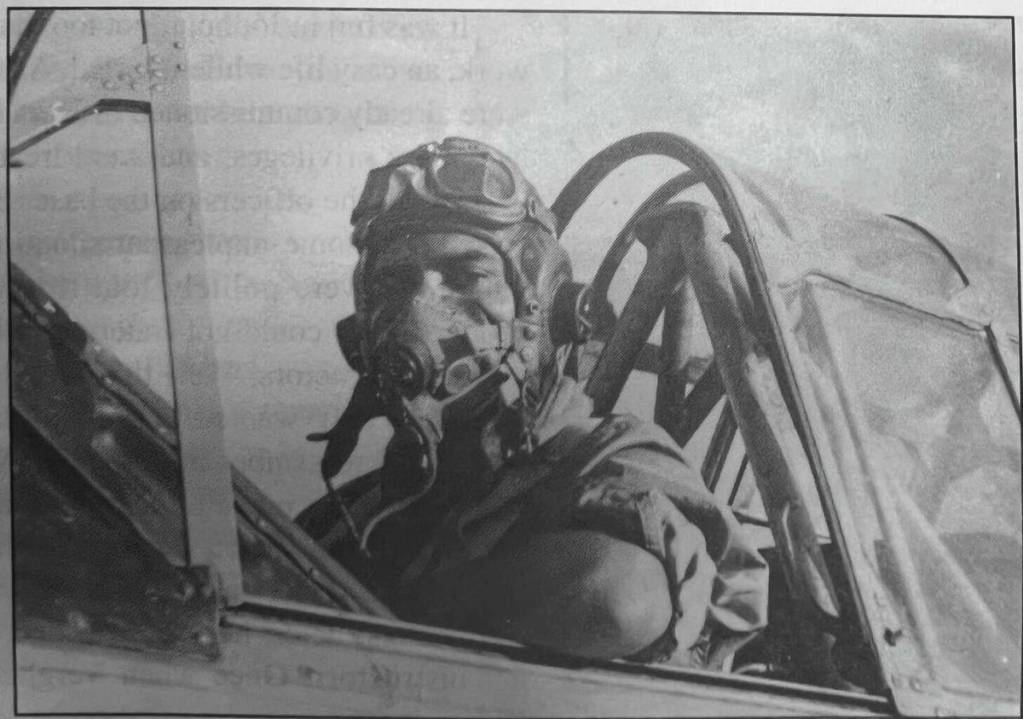
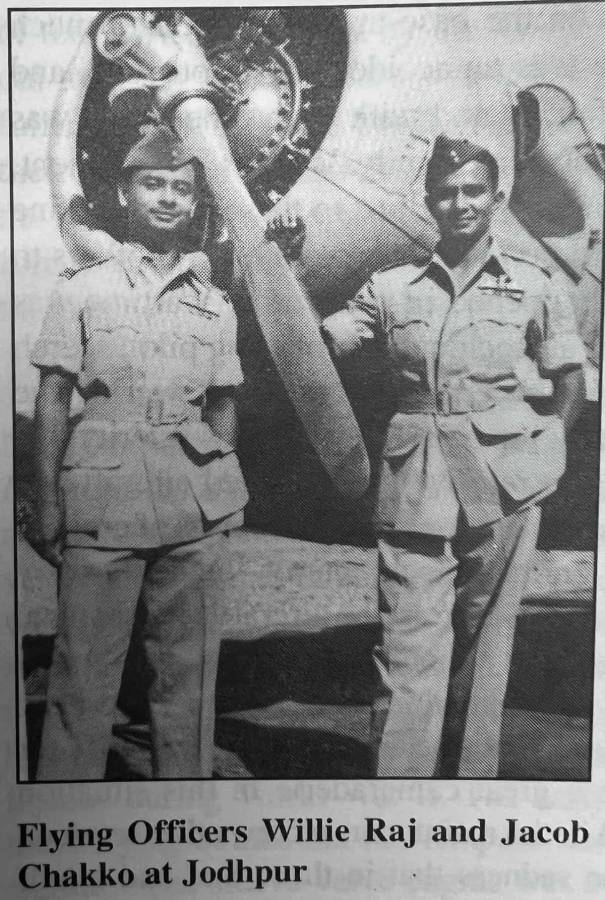
Four of them eventually went on to train as Pilots in the IAF, fulfilling the dream they had set out for initially – Willie Raj, AN Razan, SN Raychaudhury & JK Chakko. But they would remain at heart engineering officers, taking up some pioneering and challenging assignments.
SC Keshu, PD Chopra & Raychaudhury spent long years with HAL as prototype engineers and were instrumental in the HF24 program. PD Chopra later became GM, Kanpur factor, initiating the Gnat and HS748 production, and Raychaudhury became the father of the Gas Turbine Research Establishment (GTRE). They were awarded VSM and PVSM respectively.

Air Marshal Chandrakant Shridhar Naik, PVSM, AVSM, VSM, was the last to retire from the Zero Course in 1982, an illustrious career that involved important engineering assignments in the country and retired as the Air-officer-in-Charge Maintenance from Air Headquarters.

SC Kechu was the last of the Zero Course to make the journey to Valhalla on 21 May 2023, aged 97.


Leave a Reply